- 652K+
- City population
- 95
- Neighborhoods
- Temperate
- Wet winters, dry summers
- PDX
- Direct int'l airport
Overview
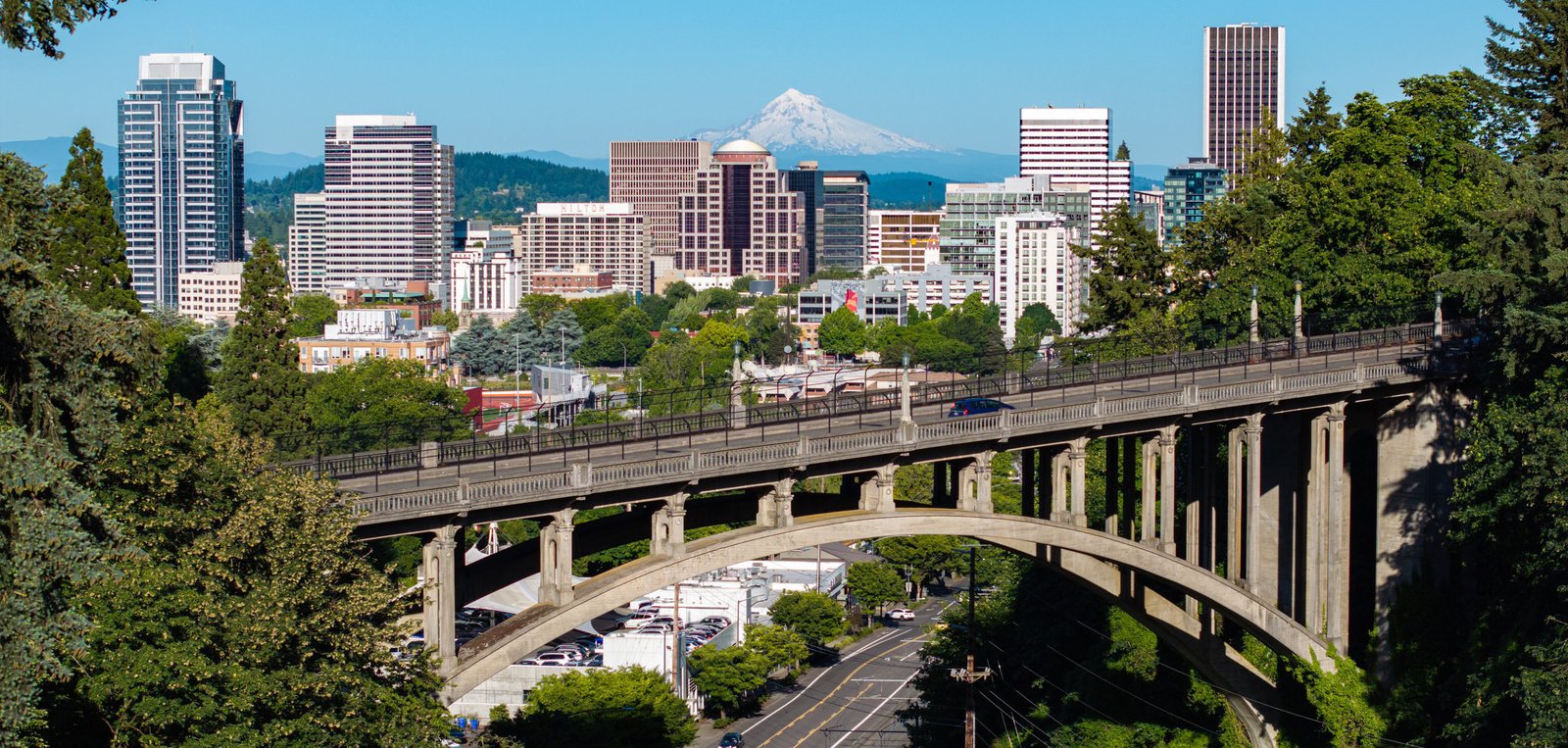
Each Portland neighborhood has its own main street and character, so location within the city is a major part of a relocation decision.
This guide summarizes the neighborhoods, the housing market and everyday life in Portland.
Walkability
Compact blocks and a light-rail and streetcar network make car-free travel practical in most close-in neighborhoods.
No sales tax
Oregon has no statewide sales tax, which affects everyday spending and relocation budgets.
Nearby nature
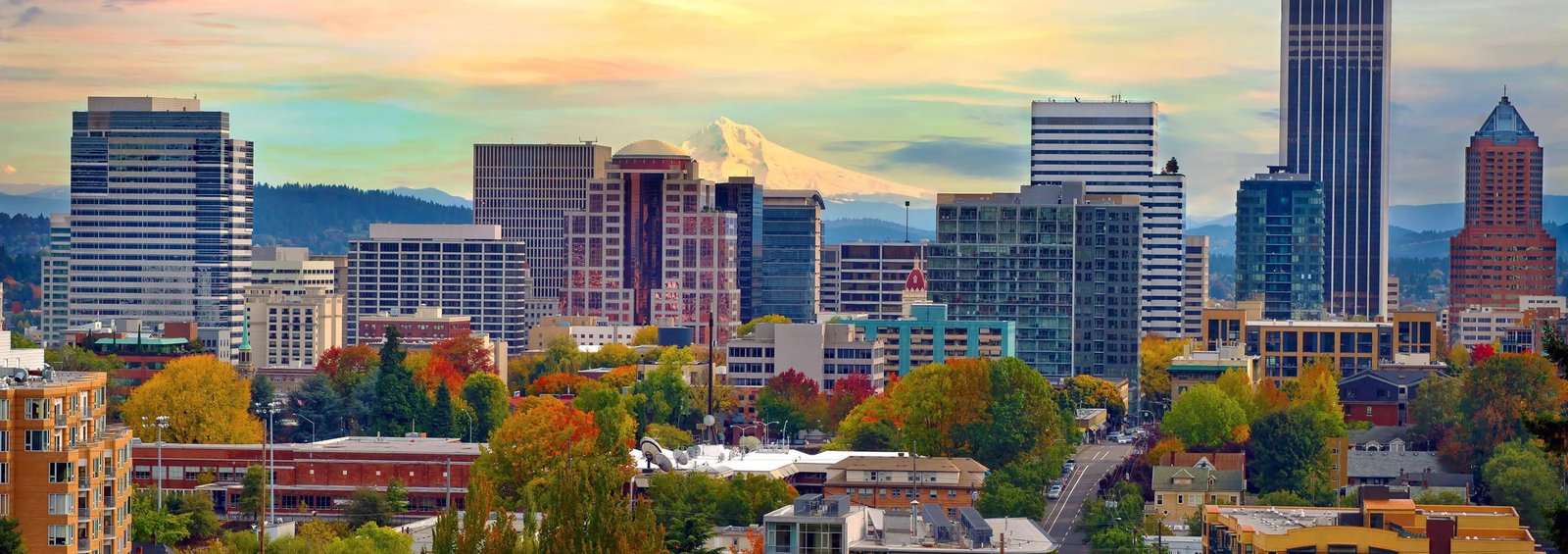
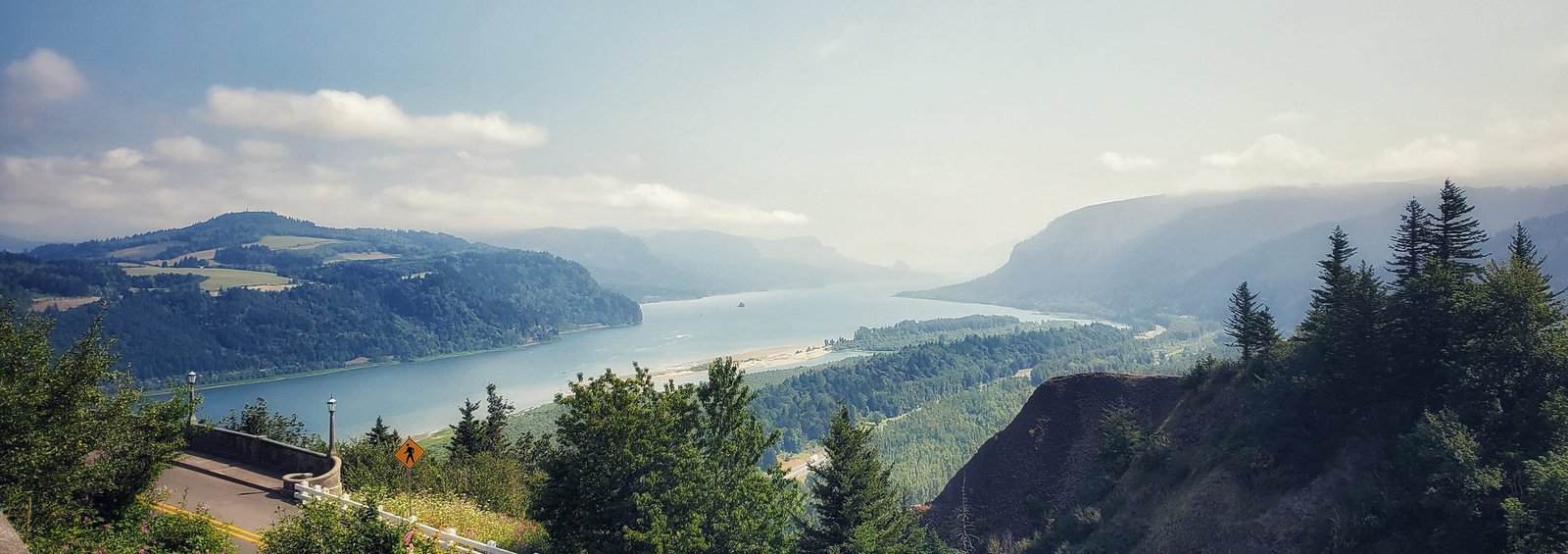
Forest Park, the Columbia River Gorge, the Oregon Coast and Mount Hood are each under two hours from most of the city.
Southwest and the West Hills
Multnomah Village
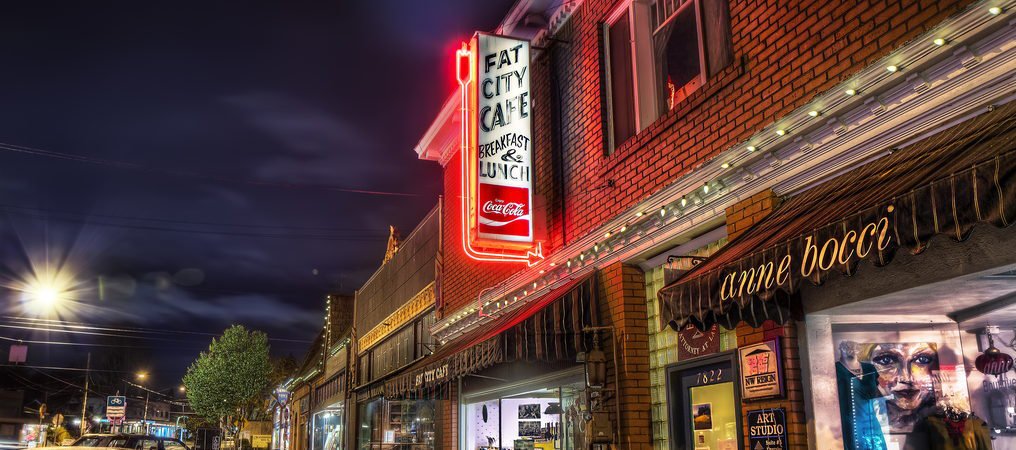
A walkable village center with independent bookshops, cafes and pubs, surrounded by older homes on quiet streets.
Council Crest
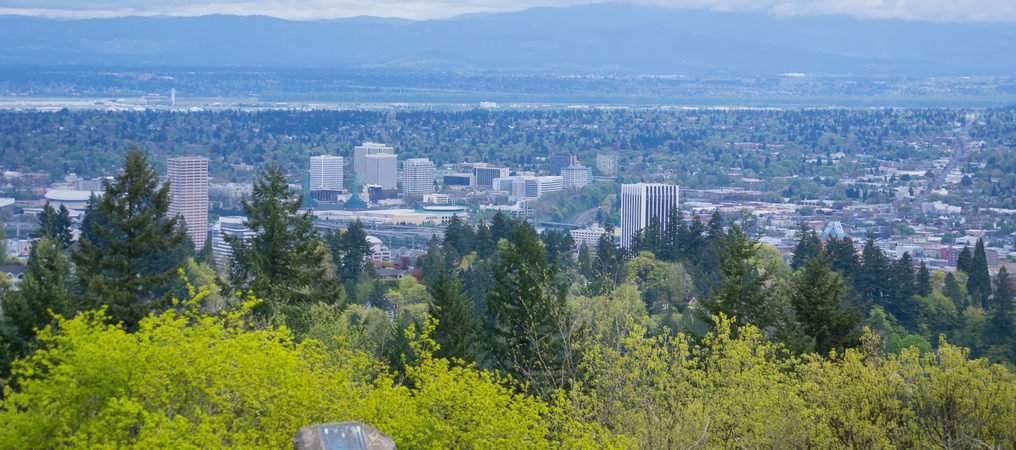
Portland's highest point, with views of the Cascades from the summit park. Winding hillside streets and architect-designed homes, a few minutes from downtown.
Bridlemile
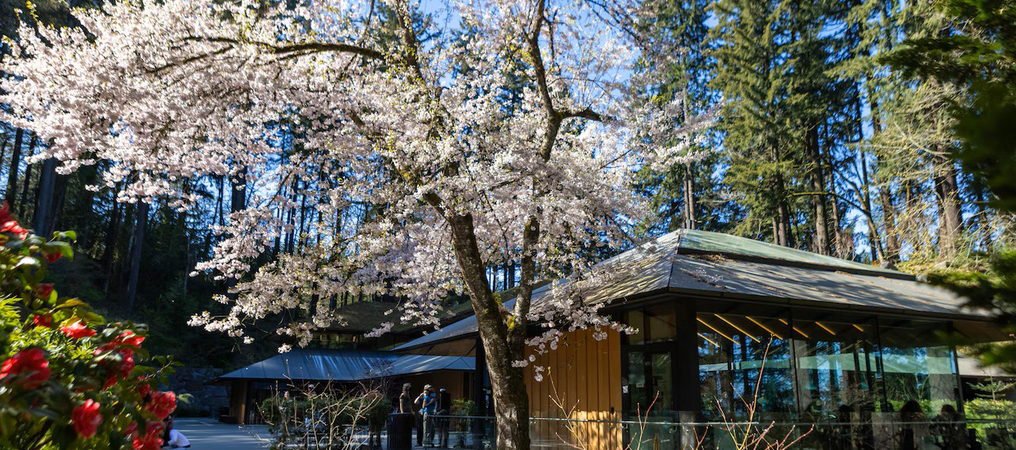
A wooded, quiet area with large lots, mature trees and a well-regarded neighborhood elementary school.
Sylvan Highlands
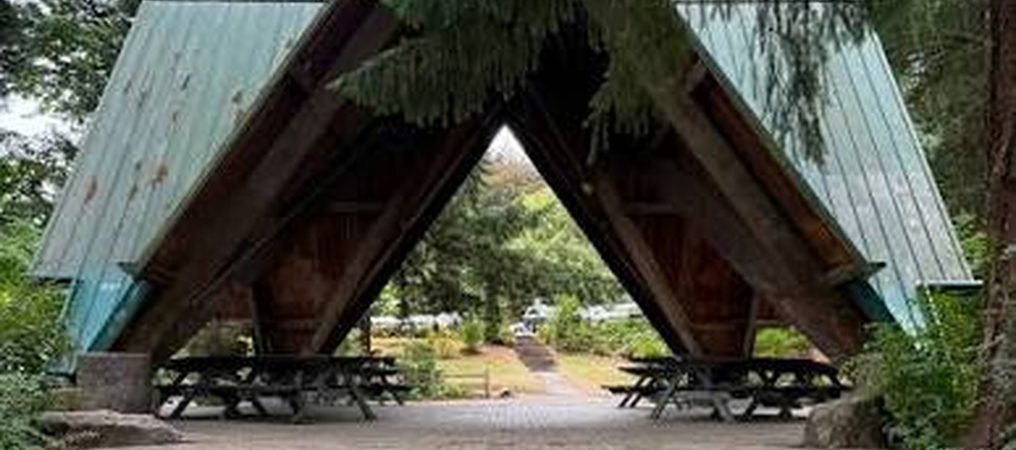
A forested hillside neighborhood just off Highway 26, with quick access to downtown.
Forest Heights
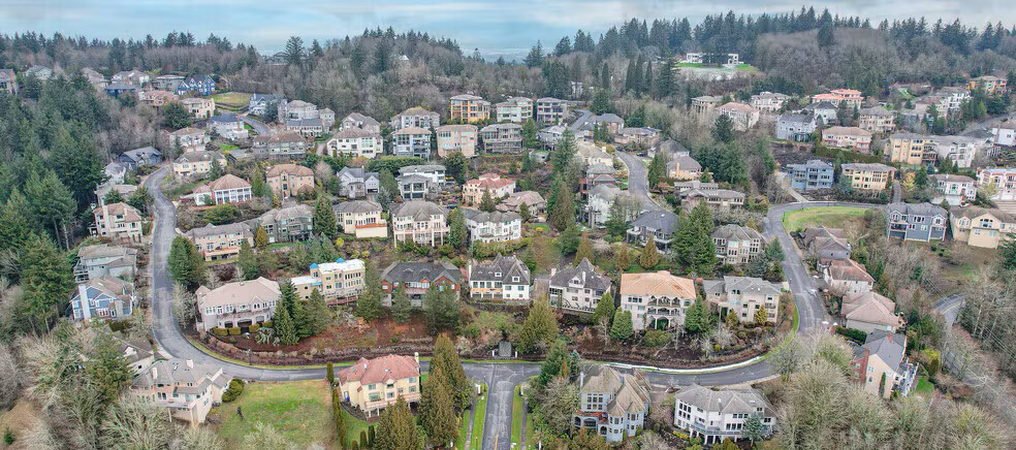
A master-planned hillside community with newer construction, its own village center and trails through the surrounding woods.
Raleigh Hills
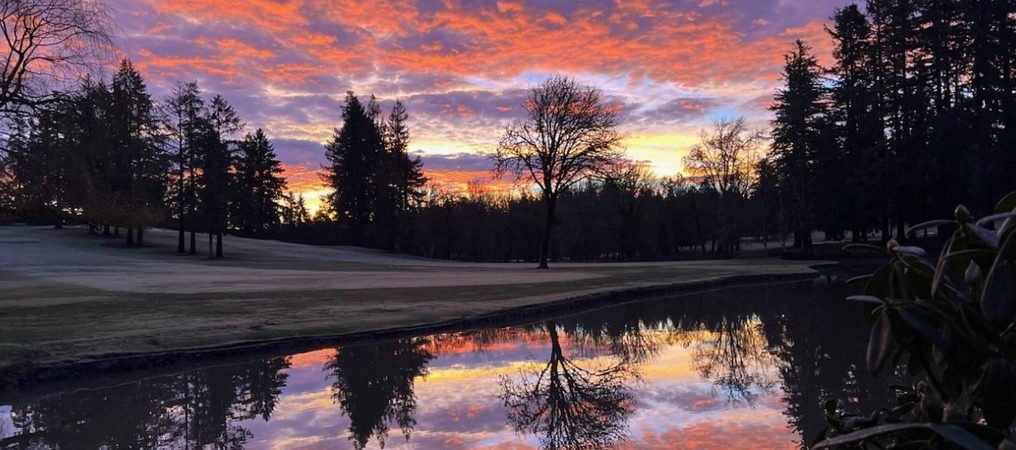
An established area along the Beaverton-Hillsdale corridor, with mature landscaping, mid-century and updated homes, and access to both Portland and the westside.
Westside and south metro
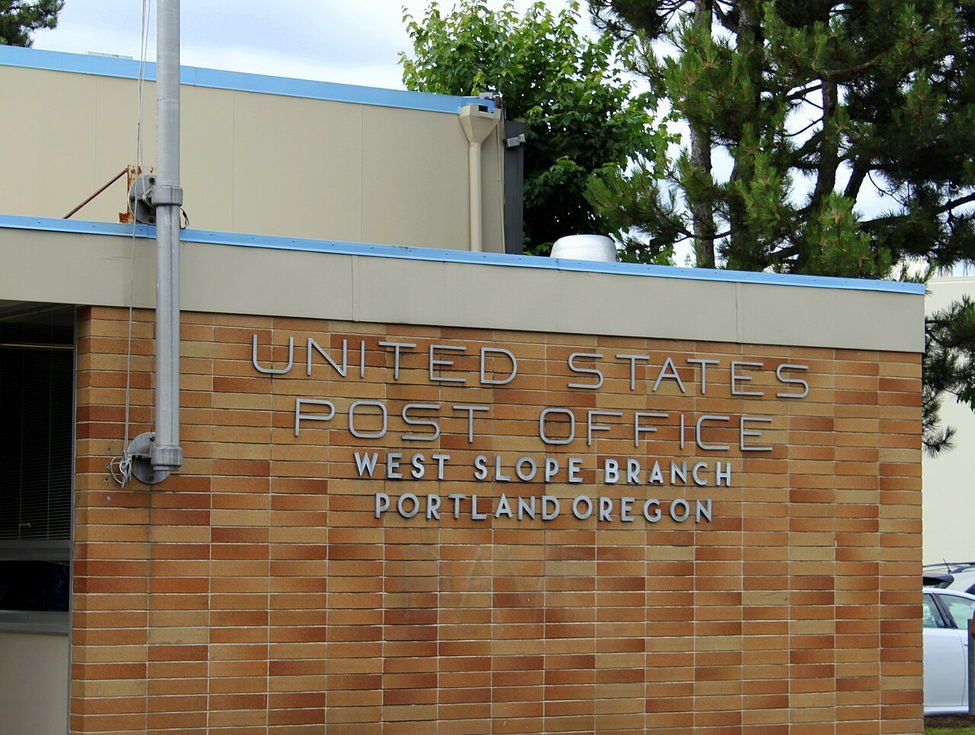
West Slope
An unincorporated area between Portland and Beaverton, known for mid-century homes on large lots and mature tree cover. It has quick access to both cities and is generally less expensive than the hillside neighborhoods.
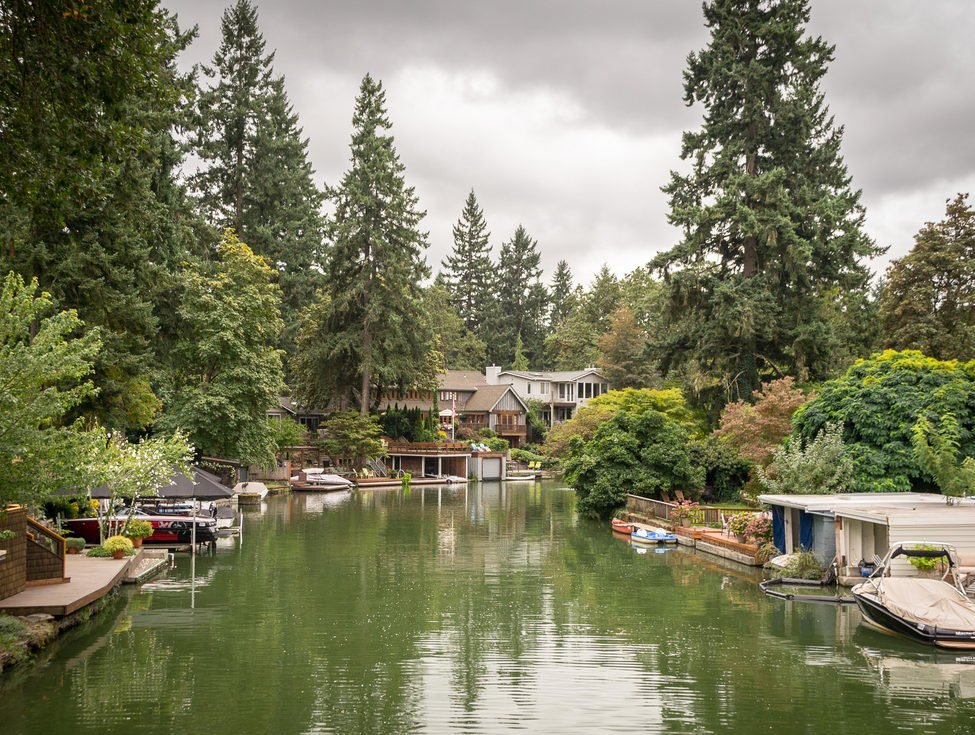
Lake Oswego
An affluent lakeside city about eight miles south of downtown, with a village center along A Avenue, highly regarded schools and Willamette River frontage. Housing ranges from lakefront estates to wooded contemporary homes on cul-de-sacs.
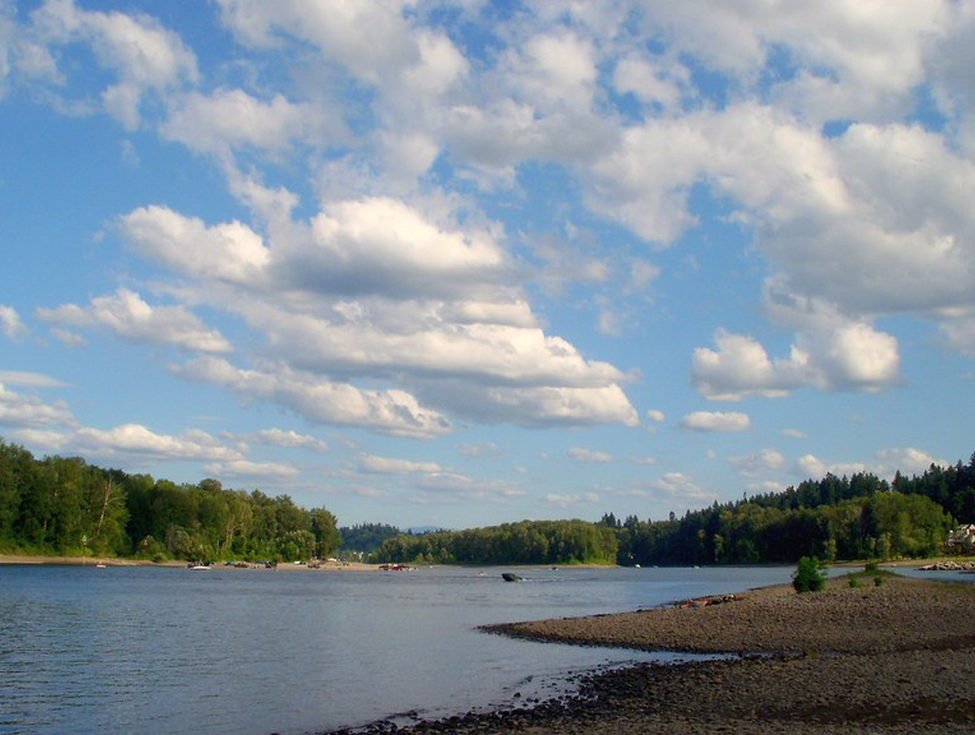
West Linn
A small city on the bluffs above the Willamette near the falls, with strong schools, wooded residential streets and large parks. Buyers often choose it for larger homes in exchange for a slightly longer commute.
East Side & Northwest
Close-in Portland
Portland's east side and inner Northwest are dense and highly walkable, with much early-20th-century housing.
The Pearl District
Converted warehouses, galleries and farm-to-table restaurants. Housing is mostly condominiums, on a compact, level street grid.
Nob Hill / NW District
Restored Queen Anne and Victorian homes on tree-lined streets, near NW 23rd's boutiques and cafes. Highly walkable.
Irvington
One of the largest concentrations of early-20th-century architecture in the Pacific Northwest. A historic district close to downtown.
Alberta Arts District
A commercial strip of galleries, murals and international restaurants, surrounded by bungalows.
Sellwood-Moreland
A quieter riverside area of Victorian homes and antique shops, with access to the Springwater Corridor trail. Housing includes cottages, bungalows and condominiums on walkable blocks.
Hawthorne District
A commercial district known for vintage shops and independent bookstores.
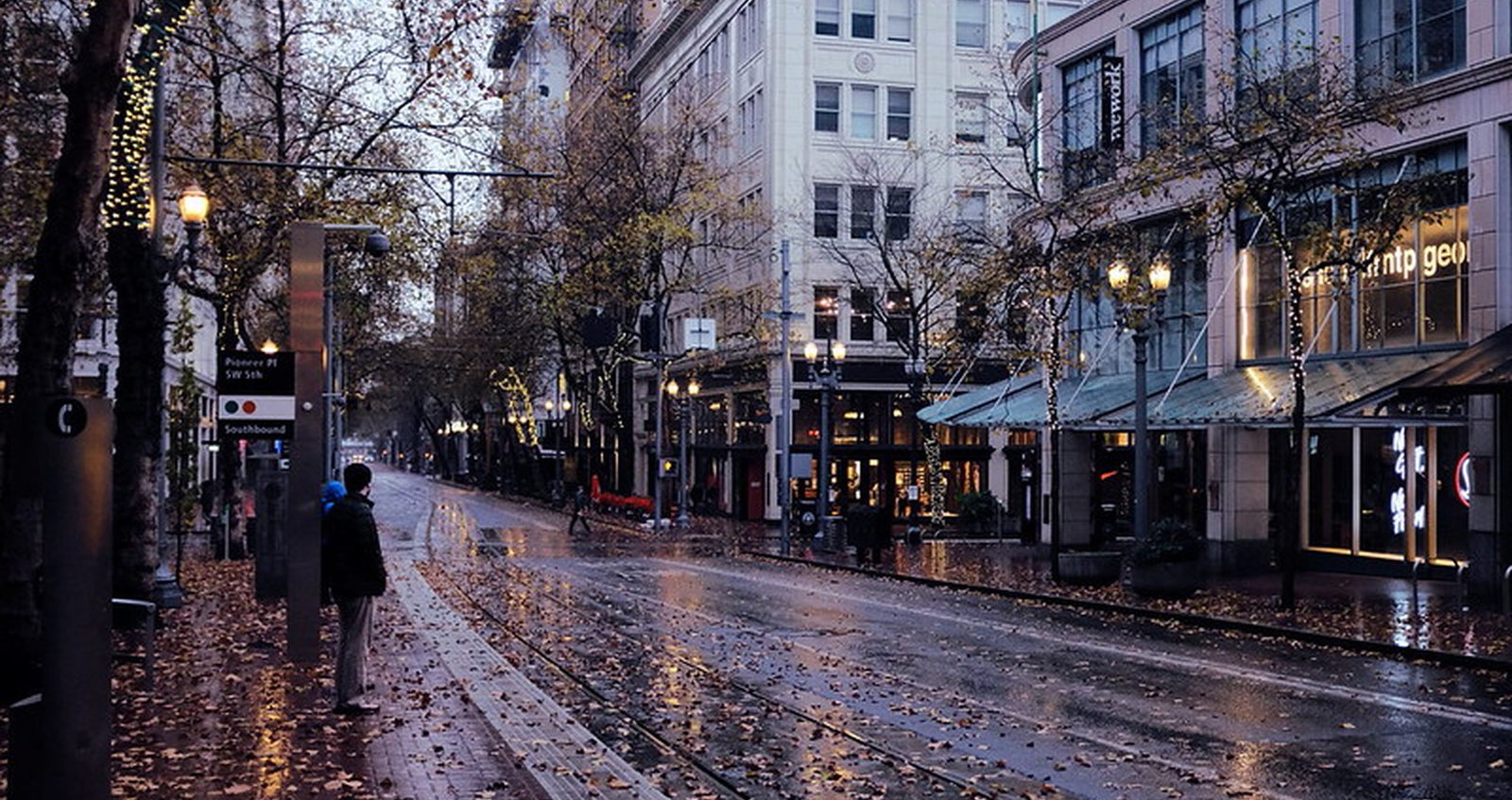
Portland Metro
Housing market
- $535,509
- Median home sale price
- 14 Days
- Median time on market
- 43%
- Homes selling above list
Recent Redfin data for the Portland, OR metro area; illustrative as of this guide's printing. Neighborhood-level figures vary.
- The market is competitive: the typical home receives about two offers and goes off the market in about two weeks.
- Homes sell for about 101% of list price on average; well-priced, move-in-ready listings draw the most competition.
- Price per square foot has held near $315, a benchmark for comparing neighborhoods.
Cost of living
- Oregon has no state sales tax, which for many households offsets a moderate state income tax.
- Property tax is based on Oregon's assessed-value system, which can make bills more predictable than in market-value states.
- Utilities and groceries are close to national averages. Housing is the main cost variable and differs widely by neighborhood.
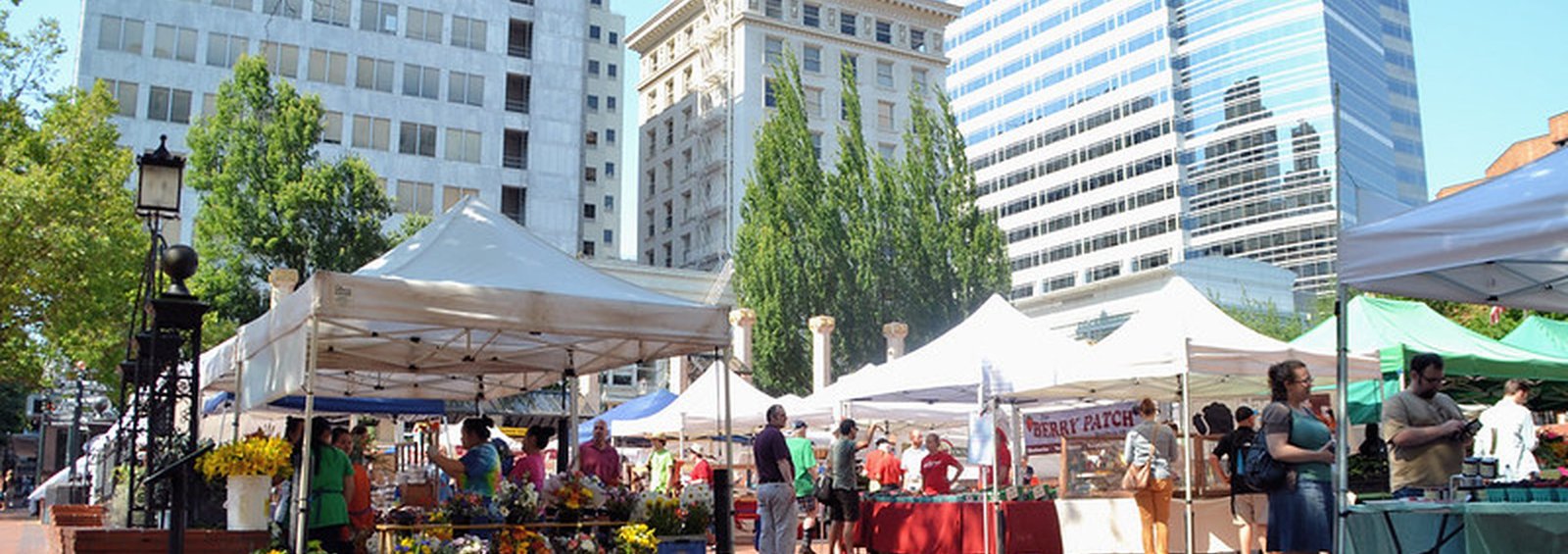
Daily life
Climate
Winters are mild and wet; summers are warm, dry and consistently sunny. Rain is frequent but rarely heavy.
Transit and cycling
MAX light rail, the streetcar and an extensive bike network connect most close-in neighborhoods. Many residents of the Pearl, Northwest and inner Southeast drive little or not at all.
Outdoors
Forest Park's 80+ miles of trails are inside city limits. The Columbia River Gorge, Mount Hood and the Oregon Coast are all within about 90 minutes' drive.
Food and drink
Dining ranges from food carts to James Beard-recognized restaurants, and the city has an established coffee, craft beer and wine culture.
Schools
Public school districts vary by neighborhood, and the metro area has many private schools.
Airport
Portland International Airport (PDX) has direct domestic and international flights and is reachable from downtown by MAX.
Moving here?
Useful links
Ratings, walkability and the local services you'll need to set up — schools, utilities, transit and more. Links open in a new tab.
Ratings & walkability
Schools
Electricity & gas
Trash & recycling
Getting around
Taxes & government

Questions about this area?
Catherine Redmond
Licensed Real Estate Broker · OREL #201217068 · Engel & Völkers Portland Rose City
Catherine Redmond, Licensed Real Estate Broker in the State of Oregon, License #201217068. Engel & Völkers Portland Rose City, 511 SW 10th Avenue, Suite 104, Portland, OR 97205. Each Engel & Völkers shop is independently owned and operated. Equal Housing Opportunity. Information deemed reliable but not guaranteed and subject to change.